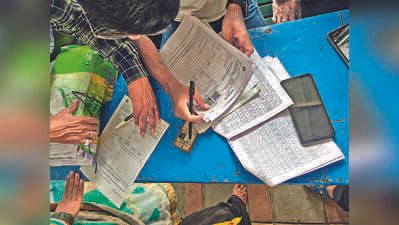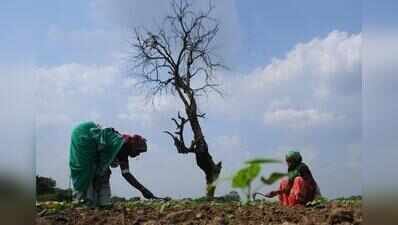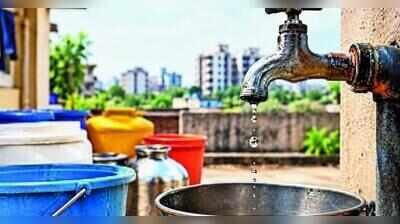











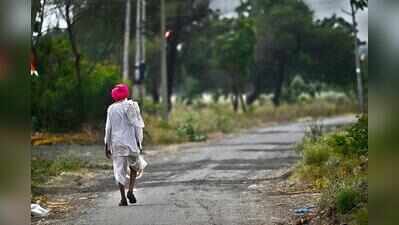
Pune: Drought estimates in Pune district turned worrisome this week after the state government directed the district agriculture office to conduct crop-loss assessments in Maval and Mulshi, two tehsils that were not included in the initial list of drought-affected areas of the state. The inclusion of the two tehsils means this is the first time since 1972 that all 13 tehsils of the district (a combined cultivable area of roughly 5 lakh hectares) have found themselves faced with acute aridity.“The problem is indeed serious, on a scale we haven’t seen since the 1970s,” said Vaibhav Tambe, district agriculture officer. “Barring some pockets of Haveli tehsil, the entire district is now drought affected,” he said, adding that crop loss assessments have started across Maval and Mulshi.Other officials said scores of farmers have scaled back sowing, some even abandoning cultivation of water-intensive crops. Sugarcane, fruit and certain vegetables are among the crops farmers are avoiding due to fears of water shortages, the officials said.“Some parts of the district still appear green, but the problem may worsen by Feb, when we are likely to face a shortage of water for agriculture. The green crops we are seeing now are surviving because of water sources in some pockets. And they may all dry up soon,” said a senior agriculture department official.The unfolding situation has raised concerns among farmers about the viability of the upcoming rabi season. Farmers in drought-hit pockets said repeated crop losses and uncertainty over water availability have left them with little financial capacity to invest in the next cultivation cycle.Avinash Argade, a farmer from Khed tehsil said water shortages have now forced cultivators to reconsider their cropping patterns, with many reluctant to invest in crops that require regular irrigation. “We already suffered losses during the kharif season. Without assured water, taking up another crop is becoming increasingly risky. Even maintaining existing plantations has become difficult,” he said.Agriculture activists said the drought’s spread to all 13 tehsils exposed the vulnerability of the district’s agricultural economy, despite its proximity to several major dams and reservoirs. They called on govt to move beyond crop-loss assessments and prepare a comprehensive plan for water availability (for drinking and irrigation), fodder and financial assistance to affected farmers.Arvind Jagtap, an activist from Indapur tehsil, said: “This drought is no longer confined to traditionally water-stressed regions. Its spread in the district shows water management and crop planning need urgent attention. The administration should ensure that farmers receive timely compensation and that water is prioritised for essential agricultural and drinking requirements.”The crisis could also impact supply of food, especially of vegetables, to Pune and Mumbai. Pune district is an important contributor to vegetable markets in both cities.Officials said they fear the situation in Marathwada, combined with the aridity in Pune district, could put additional pressure on vegetable arrivals in urban markets. Leafy vegetables are likely to be particularly vulnerable because of their requirement for frequent irrigation and their sensitivity to moisture stress.“We foresee a shortage of vegetables reaching the mandis in major cities and an unprecedented increase in vegetable prices in the coming months, particularly of leafy vegetables,” officials said.A senior official from Pune’s APMC market said: “Price escalation of all vegetables is bound to happen but to what extent is the main worry. So far, supply is holding because of water availability in the district. Prices of several vegetables have also crashed in the last few weeks, crushing farmers’ confidence. So with no water and no price, morale among our farmers is low. We’re indeed seeing tough times,” the official said.
About The Author