









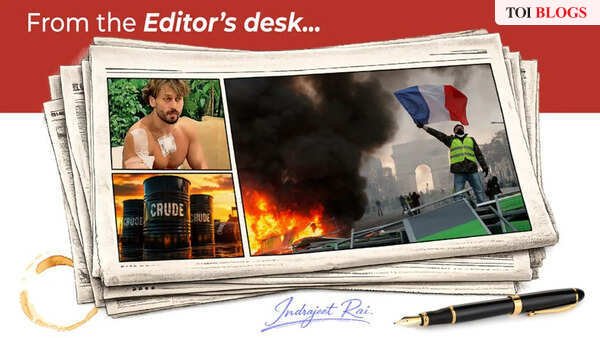

This week, we are tracking:
- Eurabia fears behind French fury?
- The gig economy of murder: Inside Lawrence Bishnoi’s Crime Inc
- Crude diplomacy: Can oil fix India-US ties?
‘Paris will be a Muslim city’: Does Eurabia theory explain France’s riots?
The rioting visuals are sensational even in the AI-slop era. Cars have been torched, shops looted, public buildings attacked and thousands arrested. From Paris to Marseille, streets have become battlegrounds between protesters and police.And US President Donald Trump believes he knows who is responsible: Immigrants.“Paris is going to be a Muslim city very soon, and that wasn’t the deal… Emmanuel should’ve closed his borders a long time ago. I told him to do it,” Trump said on October 19, attacking French President Emmanuel Macron’s immigration policies.
Eurabia: Demographic reality or political fear?
Trump’s remarks revive an old European anxiety, sometimes described by the controversial term Eurabia. The term Eurabia became associated with writer Bat Ye’or’s argument that European political elites were facilitating the continent’s transformation through accommodation of Arab and Muslim interests.
What actually triggered the riots?
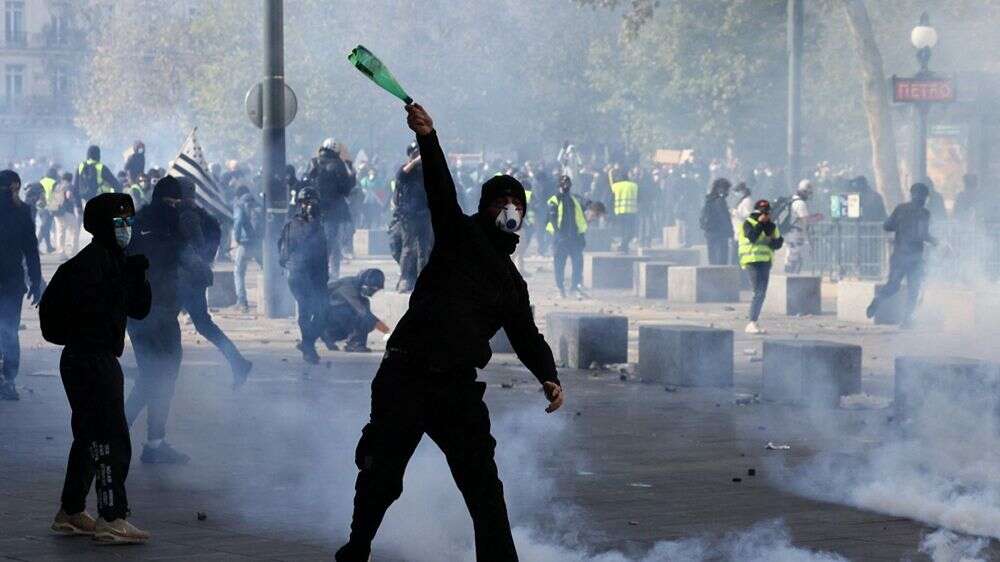
The latest protests did not begin over immigration. They began in schools. In September, students took to the streets. They were fed up with too few teachers, packed classrooms, and schools that were falling apart. But student protests have turned into something bigger: A movement against soaring living costs and public services that people felt were slipping away.
The immigration question: What the numbers reveal
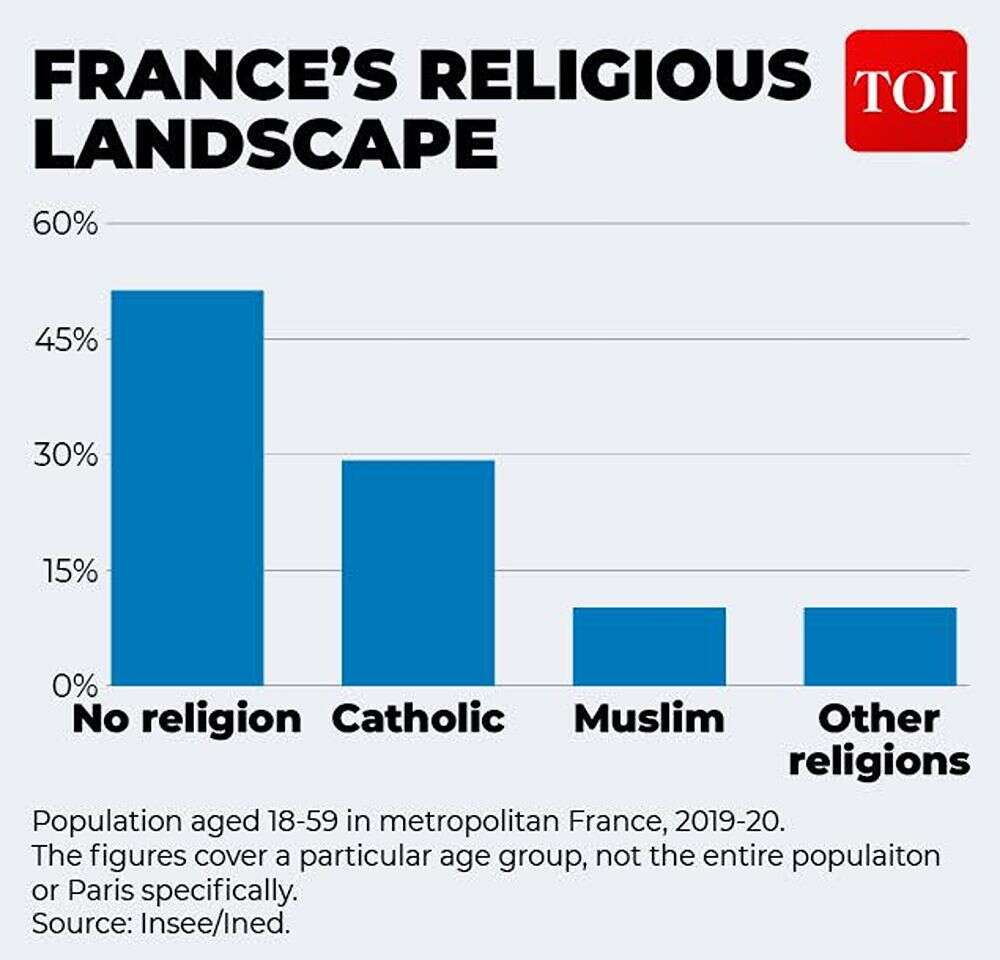
Trump’s broader argument cannot be dismissed merely because immigration did not trigger the latest demonstrations. France has undergone substantial demographic changes, and integration remains a major political challenge.According to France’s national statistics agency, Insee, the country had approximately 8 million immigrants in 2025, accounting for 11.6% of its population.The bottom line: France’s streets may be burning over the cost of living and the erosion of public services. But the political contest is increasingly about immigration, identity and the authority of the state.Read more:‘Bismillah, c’est les ténèbres’: What does this viral message from French protests meanCity halls torched, shops looted: France in shock after violent protest – videosFrance counts cost of worst unrest in years as tensions flare in ParisFrance in flames: How a school revolt became a nationwide crisis
The CEO is in jail; the gang is global: Inside Lawrence Bishnoi’s Crime Inc
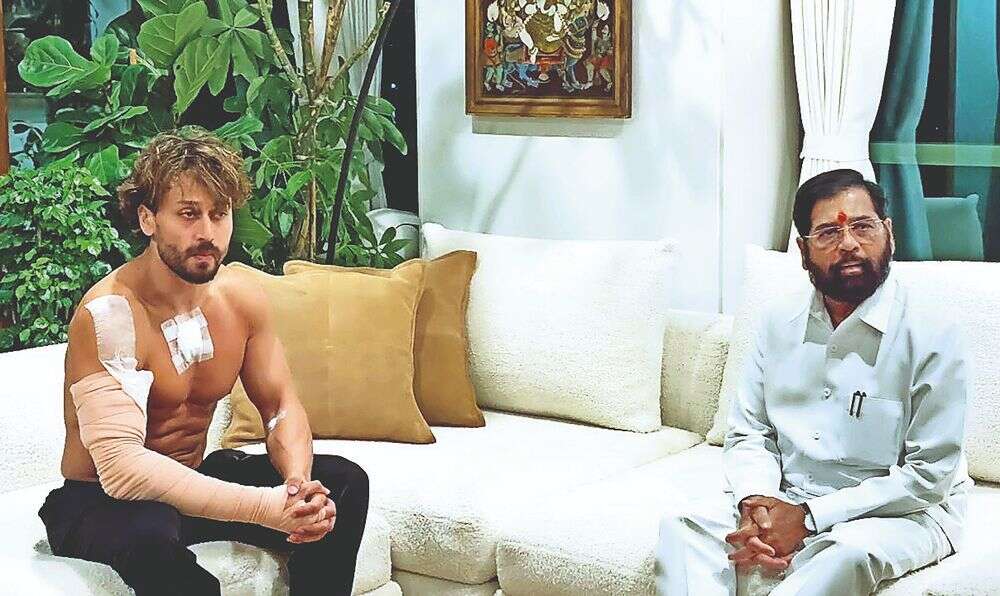
On October 18, 3 young men opened fire at Bollywood actor Tiger Shroff’s car in Mumbai. Next day, police arrested all 3 accused from Rajasthan’s Kota. Anil Pandit, a Lawrence Bishnoi associate operating from the US, claimed responsibility for the attack.
The CEO is in jail, but business continues
Lawrence Bishnoi remains lodged in Gujarat’s Sabarmati jail. Yet investigators believe his network operates through a decentralised command structure stretching across the US, Canada and Europe.According to investigators who spoke to TOI, a group comprising Tyson Bishnoi, Anil Pandit, Hari Boxer, Harman Sandhu and Himanshu Sonipat handles recruitment, logistics, threats and operations.Another circle allegedly oversees financing, planning and target selection.
The new recruitment model
Mumbai’s underworld once depended heavily on homegrown gunmen, neighbourhood loyalties and established criminal networks.The Bishnoi model appears different.Police investigations increasingly point to young recruits from Haryana, Bihar and Uttar Pradesh, some with limited criminal experience.Social media and encrypted messaging platforms such as Instagram, WhatsApp and Signal allegedly help connect recruiters with potential operatives.
Bollywood is the new billboard
There is another change. Extortion may no longer be the only immediate objective.In the 1990s, Mumbai’s underworld threatened Bollywood producers, financiers and actors primarily to extract money or establish control.Today, investigators suspect that attacks on celebrities also serve as publicity campaigns.One shooting can generate nationwide headlines. A subsequent social media claim can turn it into a display of power.For criminal networks, notoriety can become an asset. The more feared a gang’s name, the greater its potential leverage over future targets.
A troubling question
The Tiger Shroff shooting raises a troubling question: Can police dismantle an organisation whose alleged leadership, finances, recruitment and operations are spread across jurisdictions?The Bishnoi gang’s alleged model resembles a multinational business, but its product is fear. And its most dangerous advantage may be that the arrest of a few employees need not close the enterprise.Read more:Tiger Shroff shooting: Videos piece together moments before, during and after attackAccused practised shooting near Mumbai before attack, bullet hit bed during accidentHow a bullet’s twists and turns saved man shot during Tiger Shroff attackRs 2 lakh paid to shooters, logistics team, cops trace UPI transfers; 2 factory-made
Refineries over red carpets: Marco Rubio bets on business in India
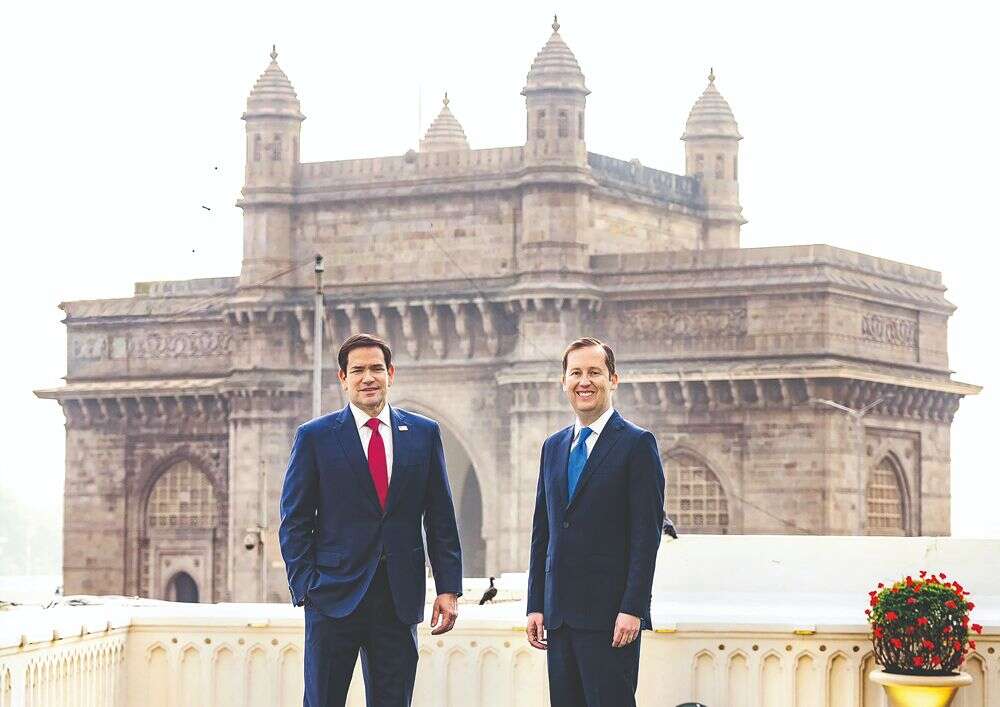
In a first, a US secretary of state visited India without any planned meeting in New Delhi. Marco Rubio’s India itinerary offered a clue to how US hopes to repair a strained partnership: Start where there is business to be done.But diplomacy travelled with him. External affairs minister S Jaishankar met Rubio in Mumbai on October 20. The MEA pointed out that hosting foreign leaders outside the capital was an established practice.
Oil is both problem and opportunity
India’s purchases of Russian crude have generated friction with Washington. Yet Indian refining capacity also offers something the US wants.Rubio said he would encourage Reliance to process more Venezuelan crude and potentially produce oil in Venezuela. Reliance’s Jamnagar facilities can handle the country’s unusually heavy crude, making the company a useful commercial partner.In Foreign Policy, Michael Kugelman suggests that this unusual trip could help a relationship weighed down by tariffs, Washington’s embrace of Pakistan and Indian doubts about American reliability. Kugelman’s argument points to a practical possibility: Business can keep cooperation moving while governments work through their disagreements.But corporate partnerships can’t by themselves settle disputes over tariffs, visas or Pakistan. Their diplomatic value depends on whether they produce benefits that survive the next political disagreement.Rubio’s trip suggests that both countries still see reasons to invest in the relationship. Turning that willingness into predictable policy will matter more than the itinerary.Read more:India & United States to boost defence, energy ties, Marco Rubio says trade deal closeUS, India ‘perfectly aligned’ on issues shaping 21st century: RubioIn talks with Reliance to refine more Venezuelan oil: US secretary of state Marco RubioAt Jamnagar refinery, Rubio and Ambanis discuss energy, digital infra, giga factories
Editor’s picks – Some of our most and must-read articles:
The price of making a point: When Delhi’s protests send bill to everyone elseWhat El Nino? This ground up farmers’ cooperative continues to reap dividendseMudhra security breach explained: What it is and means for smartphone, internet usersRussian roulette: Trump bites the bullet with Putin in bid to survive US midtermsStranded Iranian tankers, American pressure: Why Sri Lanka faces a difficult choiceBJP’s delimitation gambit: Will it isolate Cong, puncture opposition’s SIR unity?
Disclaimer: Views expressed above are the author’s own.
About The Author


