







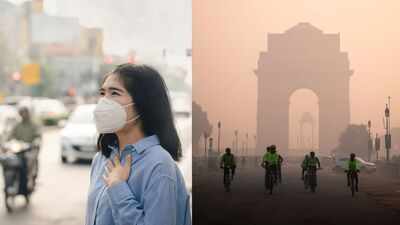
As the festive time gets closer, the air quality in North India, in Delhi and the National Capital Region, naturally worsens during the festive season. The smog that forms makes life hard for everyone; even people who do not smoke end up breathing in dangerous PM2.5 particles.As per a recent social media post by Celebrity Lifestyle Coach Luke Coutinho, these tiny particles go into the lungs, causing problems in the body and making it hard for the body to function properly. While using air purifiers, wearing masks, and staying inside during the worst times of smog are important, taking care of your body from the inside with the right food is also a main part of the solution. Here are six simple things you can find in your kitchen that Luke Coutinho suggests to help your body stay strong and healthy during the smog months.Deep green leafy vegetablesSpinach, fenugreek leaves (methi), and amaranth greens (chawli) are rich in folate (vitamin B9), an essential nutrient the body relies on to create and repair DNA. Healthy cell division depends heavily on adequate folate intake. Incorporating these greens into daily dals, sabzis, or soups provides a quick nutritional boost during toxic air days.Staple dals and lentilsPulses such as moong, masoor, and toor dal provide a mix of folate, plant protein, and dietary fiber. A warm bowl of khichdi or traditional dal served with lunch or dinner helps metabolic and cellular processes, allowing your body to keep routine maintenance tasks running smoothly even when environmental stress occurs. Dals are a staple that nourishes the body.Protein-rich legumesChickpeas (chana), kidney beans (rajma), and eyed peas (lobia) are excellent sources of folate, complex carbohydrates, and essential minerals. Legumes are a source of protein and essential nutrients. Pairing a bowl of rajma or chana with whole-wheat roti or brown rice creates a nutritionally complete meal that keeps energy levels steady.Seasonal vitamin C powerhousesFresh amla (Indian gooseberry) and guava are exceptional regional sources of vitamin C. As a primary antioxidant, vitamin C helps neutralize free radicals caused by inhaling toxic particulates while supporting white blood cell activity. Consuming these fresh fruits daily gives your immune system immediate defensive support.Carrots and tomatoesCarrots are loaded with beta-carotene, which your body converts into vitamin A, which is a nutrient vital for maintaining healthy mucosal linings along your respiratory tract. Tomatoes provide additional vitamin C and lycopene, a potent plant antioxidant. Coutinho recommends lightly cooking or sautéing tomatoes in a little healthy fat to make the lycopene significantly easier for your body to absorb.Almonds and pumpkin seedsNuts and seeds, particularly almonds and pumpkin seeds, supply vitamin E alongside healthy fatty acids. Vitamin E works in tandem with vitamin C to protect cell membranes from oxidative damage. A small handful of raw almonds or a spoonful of pumpkin seeds tossed over breakfast cereal provides quick antioxidant protection. However, eating a nutrient-dense diet strengthens your body’s internal resilience; food alone cannot completely block the physical impacts of hazardous air quality. As per a report by the European Respiratory Journal, the dietary antioxidants influence how the body copes with environmental pollutants; dietary adjustments work best alongside physical protection measures like air filtration and proper mask-wearing.
About The Author