











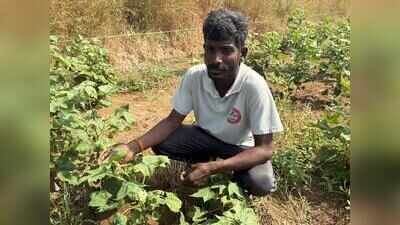
Yavatmal: Every morning, Chandrashekhar Umate walks through his cotton field, checking what is wrong. The flowers are gone. The bolls are few. The plants barely reach his knees.A crop that should have stood waist-high and heavy with cotton now looks tired and stunted under an unforgiving Oct sun.For farmers across Maharashtra’s vast cotton belt, the drought is reflected in every shrivelled plant, every empty boll and every calculation scribbled on the back of a loan passbook.Cotton, the backbone of rain-fed agriculture across northern, central and eastern Maharashtra, has taken a severe hit after the monsoon failed large parts of the state. Sown across roughly 38 lakh hectares this kharif season, the crop has been battered by a prolonged dry spell lasting 30 to 45 days, accompanied by intense heat stress.The result is stark. Instead of the usual 40 to 50 bolls on each plant, many farmers are finding only four to 12. Flowers and young bolls have withered and fallen before maturity as the soil ran out of moisture.For Umate, who grows cotton on four acres in Washim district’s Mangrulpir taluka, the damage is already beyond repair. “A normal rain-fed crop gives us around seven quintals an acre. This year, I’d be lucky to get four,” he said. “The crop has simply not developed. We spend at least Rs 35,000 an acre on cotton. At this rate, I don’t know if I will even recover my costs,” he added.
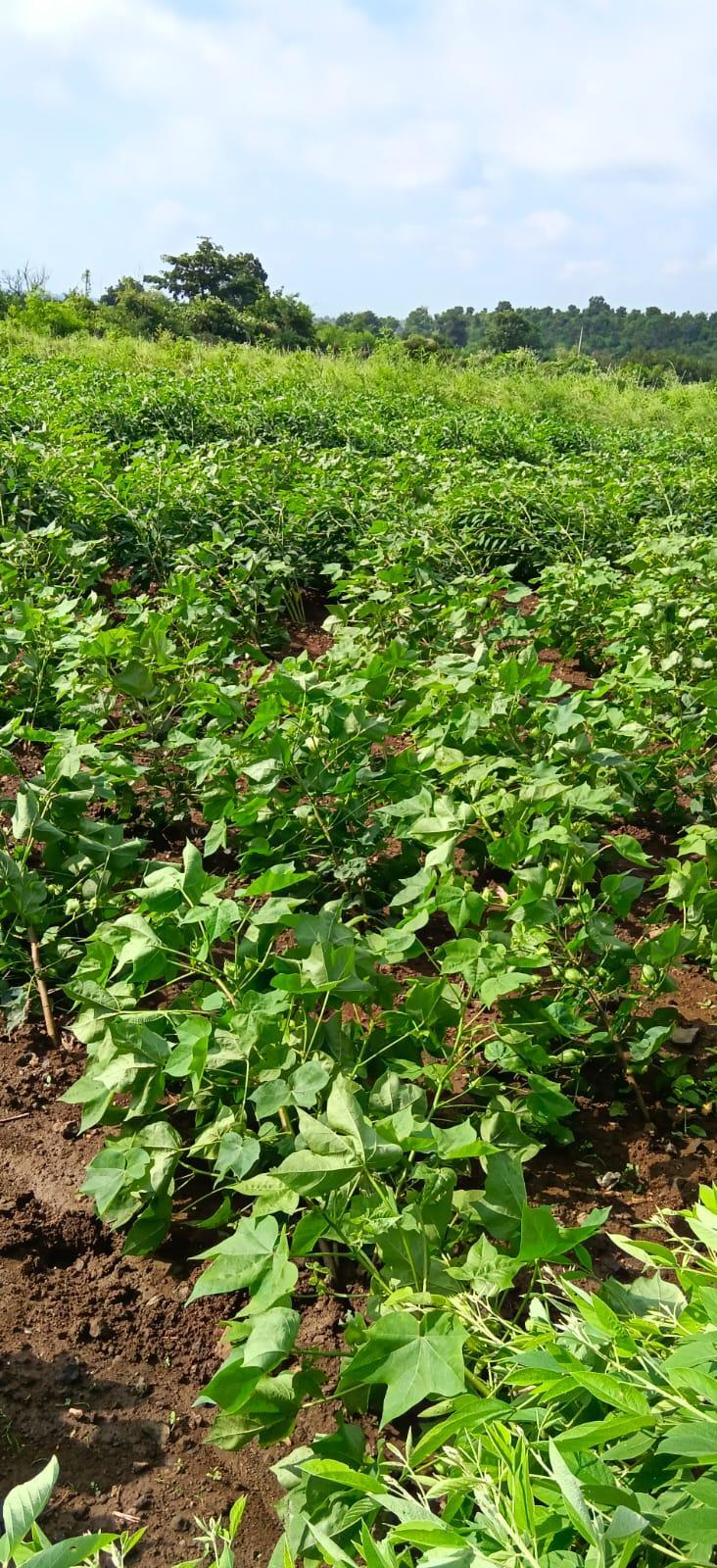
Stunted cotton crop farm
What worries him even more is the debt hanging over the season. “Many farmers borrowed Rs 1.5 lakh to Rs 2 lakh to meet sowing expenses. We expected to repay it after harvest. Now, the crop itself is uncertain. We need govt support,” he said.Across Vidarbha and parts of Marathwada, similar stories are unfolding.The season began badly and never recovered. June remained largely dry in many cotton-growing districts. When rain finally arrived in late July, it poured heavily over just a couple of days. Instead of rescuing the crop, the excess rain damaged young plants. Aug then brought another long dry spell, leaving crops starved of moisture during a crucial growth stage.The impact is most visible in Yavatmal, often described as the heart of Maharashtra’s cotton country.“All three major kharif crops have suffered,” said Manoj Dhage, superintendent of agriculture, Yavatmal. “Rain arrived late and remained far below normal. Cotton production could decline by nearly 50%.”According to Dhage, the crop failed to attain normal height after the prolonged dry spell. Fewer squares and flowers developed, directly affecting yield potential.Yavatmal has received only about 78% of its average seasonal rainfall. While a handful of talukas recorded normal or surplus precipitation, large parts of the district remain in deficit. The situation is particularly worrying in Ralegaon and Babhulgaon, where many farmers are uncertain whether their crops will survive until harvest.In Babhulgaon, farmer Anup Chavhan sees little hope left in the season. “The future looks bleak,” he said. “We are not expecting any more rain. The crop is practically lost. Farmers are already worrying about how to repay loans and how they will arrange money for the next season.”The distress comes at a time when cotton growers were already grappling with rising cultivation costs and volatile market prices. With production expected to fall sharply, farmer groups have urged the Centre not to extend duty-free cotton imports beyond Oct 31, arguing that cheaper imports could further depress domestic prices during a low-yield year.For many cultivators, however, prices are a secondary concern. First, there has to be a harvest.During a recent visit to Amravati, revenue minister Chandrashekhar Bawankule said govt was taking measures to support affected farmers. “Govt is making every effort to help farmers. Debt-waiver benefits and incentive grants are being provided. Officials will conduct crop-loss assessments and extend necessary concessions,” he said.However, in the cotton fields of Vidarbha, relief still feels distant.(with inputs from Sandip Dighe in Pune)
About The Author