







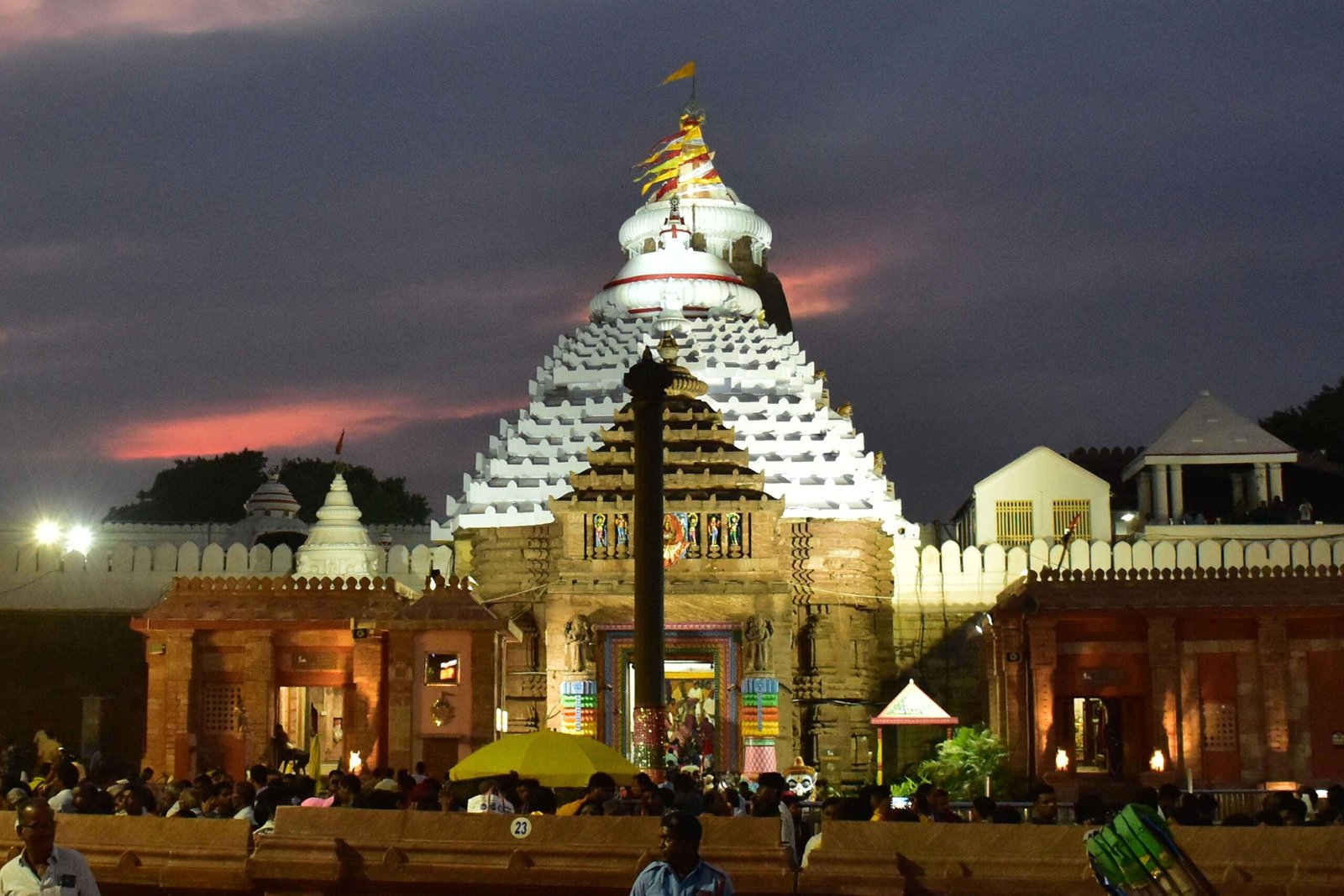
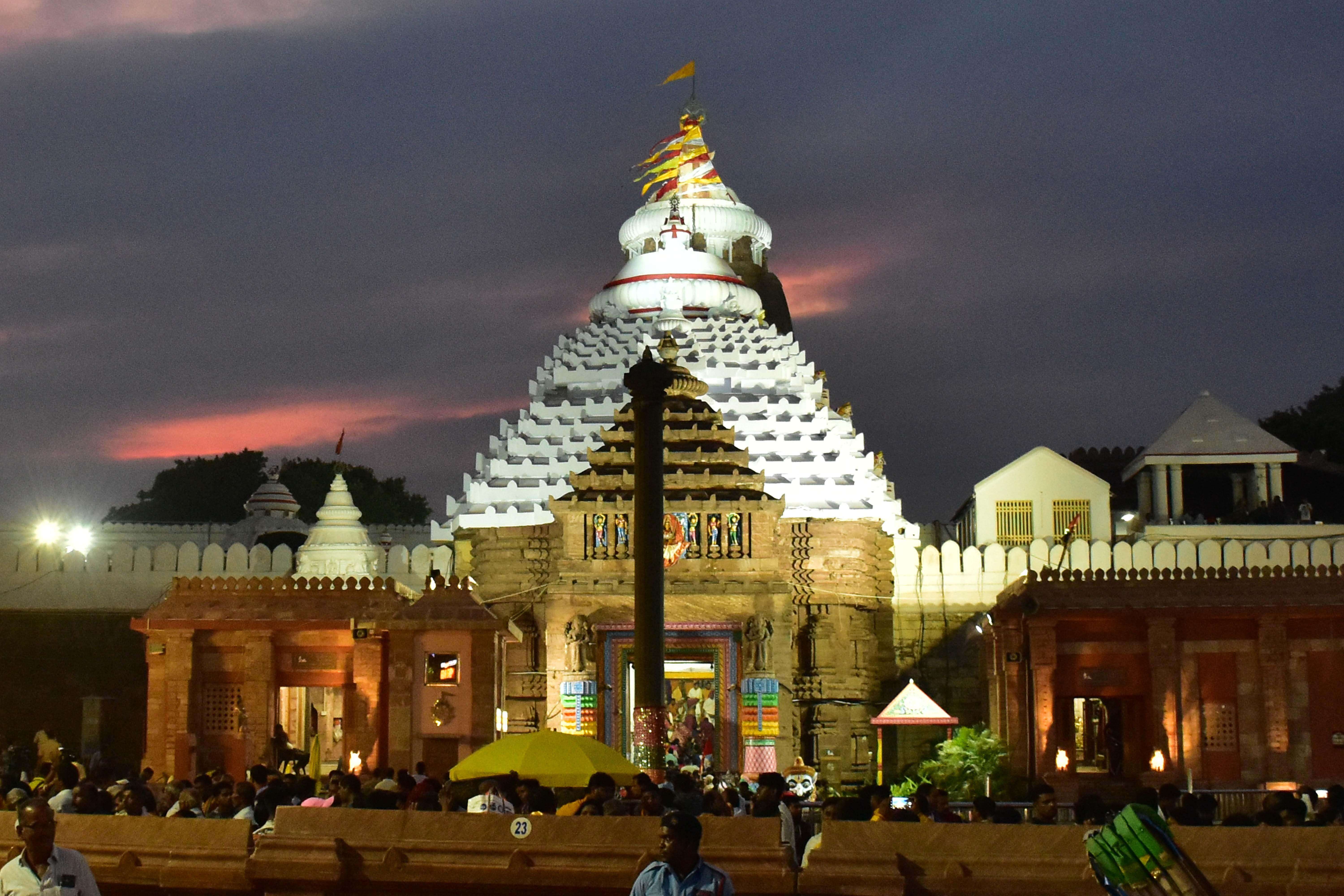
Bhubaneswar: Correcting a nearly century-old land record, the state Board of Revenue has ordered restoration of more than 81 acres, worth an estimated Rs 1,060 crore, near Shri Jagannath Medical College in Puri to the Shree Jagannath Temple, holding that land given to sevayats for cultivation in lieu of their services did not confer ownership rights.Acting on the order of Board of Revenue member Satyabrata Sahu, the Puri tahasildar corrected the record-of-rights (RoR) of the land at Samangara mouza in the name of Shree Jagannath Mahaprabhu, represented by the Shree Jagannath Temple Managing Committee, on Saturday.The order came in a 2023 case filed by the temple administration over ownership of land recorded in Samangara mouza.Spread across 48 plots in the Puri Municipal Corporation area near Shri Jagannath Medical College and the Puri-Konark Marine Drive, the land is estimated to be worth around Rs 1,060 crore at a market rate of Rs 3,000 per sq ft.At the heart of the dispute was land belonging to the deity’s historic “Sateish Hajari Mahal” and its association with the traditional “Kala Bethia Seva”. The temple administration contended that the land originally belonged to Lord Jagannath and certain sevayats were allowed to possess and cultivate it in return for performing Kala Bethia Seva during Rath Yatra.The temple argued that the arrangement gave the sevayats possessory rights linked to their service but not absolute or transferable ownership of the land.However, during a 1927 settlement, the land was recorded under the Sthitiban category, conferring legal status yo the occupants who holds permanent, heritable, and transferable rights over the land.Subsequently, rival claimants asserted ownership on the basis of a 1939 auction sale and an unregistered lease deed of 1942, with their names eventually finding place in the records.Challenging these entries, the temple administration argued that since the original service-holders did not have transferable ownership, they could not pass absolute title over the deity’s land to others through auction, sale or lease.While deciding the dispute, the Board examined the statutory RoR of the temple, historical documents, old auction and transfer records, the Shree Jagannath Temple Act, 1955, and reports submitted by the Puri tahasildar.It also took into account the Supreme Court’s ruling in Shree Jagannath Temple Managing Committee vs Siddha Math and others (2015) and the Orissa high court’s decision in Mohanlal Panch and another vs Shree Jagannath Mahaprabhu Bije, Puri.A field inquiry by the Puri tahasildar found that portions of the 48 plots were under occupation of different persons. The Board observed that unauthorised possession or construction did not by itself create legal title. Similarly, long possession or the recording of a person’s name in revenue records would not automatically extinguish the original owner’s title.After examining the historical records, service arrangements, subsequent transactions and statutory provisions, the Board concluded that there was insufficient legal basis to deny the deity’s original rights where transferable ownership of the service-holders had not been established.It consequently accepted the temple administration’s claim over more than 81 acres and directed the tahasildar to correct the RoR in the name of Shree Jagannath Mahaprabhu, represented by the temple managing committee.The order comes a day after the Board of Revenue restored another 52 acres of land, valued at around Rs 250 crore, to Lord Jagannath on Friday.
About The Author