







By Sivakumar Sundaram
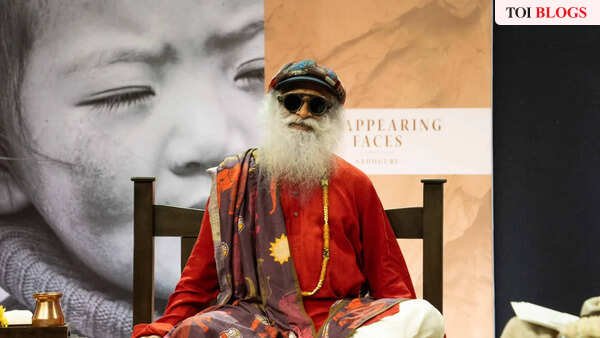
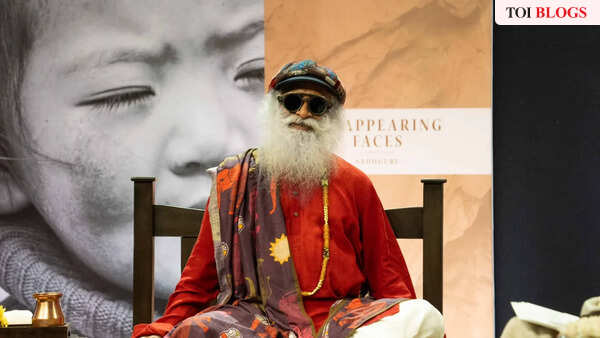
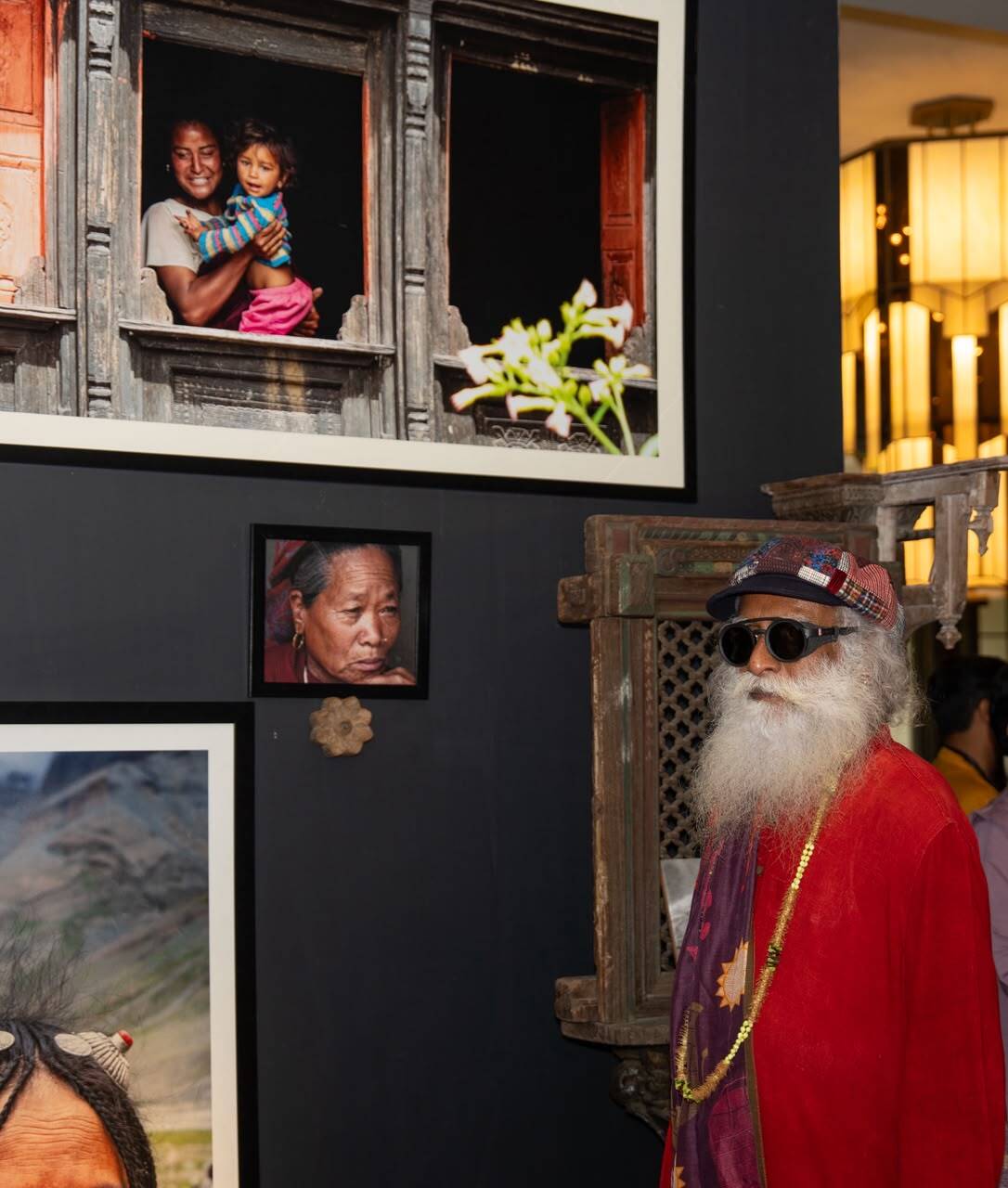
We all consume content, every waking hour, through screens, feeds and newspapers. But never in this form. This week, turning the pages of a coffee table book, i found the most original content of all. It was not printed. It was worn on the human face. Sadhguru Jaggi Vasudev calls his photographic essay on the people of the Himalayas Disappearing Faces. The title is gentle. The warning is not. What does a face really carry?A face is a complete reflection of what we are. Like a painting, it speaks without a caption. A thousand words, none of them spoken. The wind of every winter, the sun at altitude, the climb to fetch water, the festival, the grief, the long wait for someone to come home: all of it is written there, in a script older than any alphabet.
–
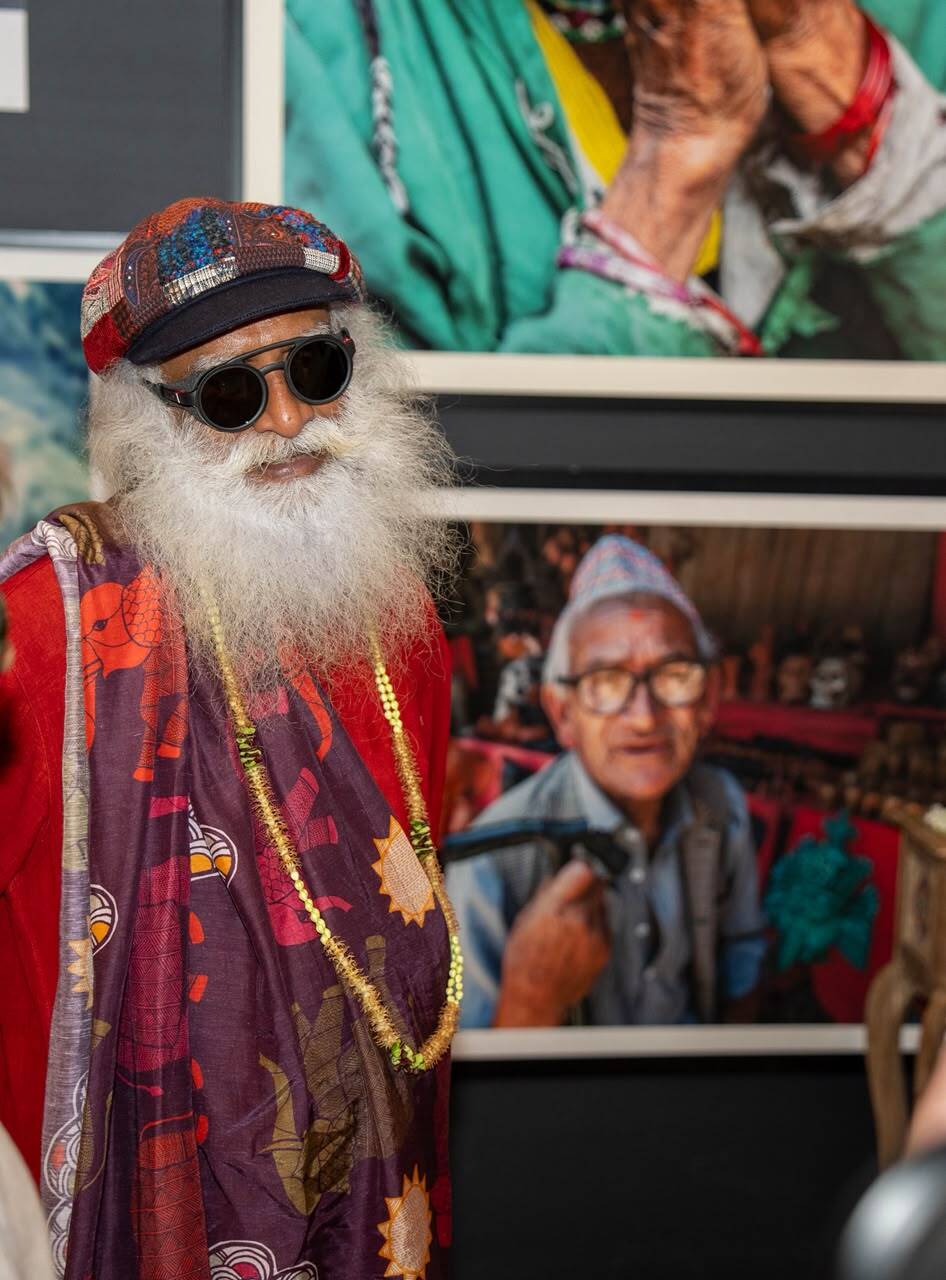
Sadhguru noticed this on his journeys back to the mountains. Weather, terrain and the way people live, he said, leave their imprint on a face. He also saw that the next generation in the same villages looked different, and felt the older faces were worth recording before they were gone.Our tradition has a word for such a state: sahaja (the natural, unforced). These are the most organic faces. Untouched by the flood of information that pours into the rest of us every waking minute. Not shaped by the digital clutter of a screen held inches from the eyes. Not smoothed by any synthetic cream, not altered by any processed food. Nothing borrowed, nothing filtered, nothing retouched.
–
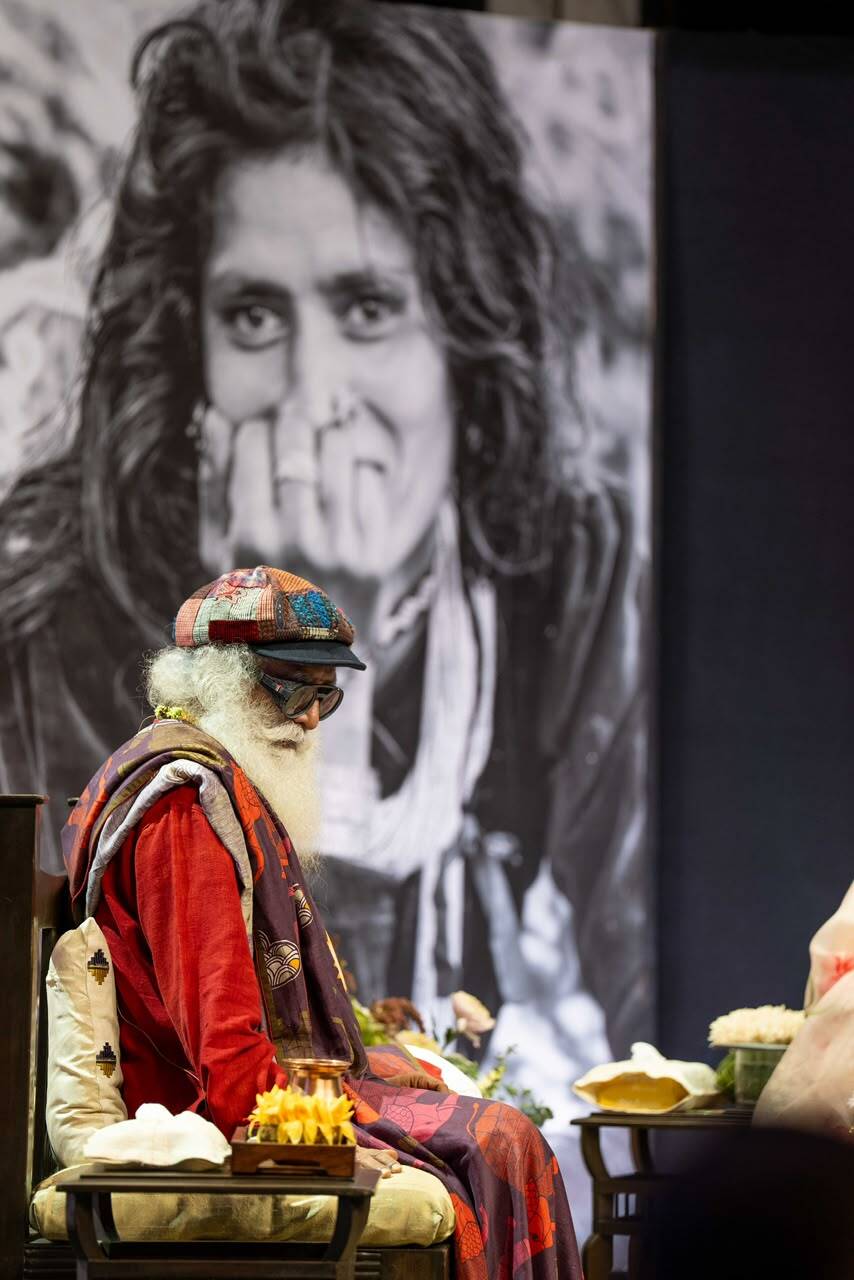
This is original content, authored by God. The rest of us – and i count myself first – are increasingly synthetic. We know our good side. We know which light flatters.A city face, Sadhguru observed, is shaped as much by faraway influences as by the place it lives in. Mine has been shaped by deadlines, flights and the glow of a phone. No photographer will climb a mountain to record it. He likened the mind to a mirror. If a mirror remembered every face that ever stood before it, it could no longer show the person standing there today. Perhaps that is the quiet secret of these faces. They are not performing a memory of themselves, or an image someone sold them. They are simply present. Asked why the lines on them look beautiful while cities fight ageing, he answered: “A joyful face is always a beautiful face.” No cream makes that promise.
–
Yet this is no lament against progress. Sadhguru does not pretend these are saints; they quarrel and fret like anyone else. Their expressions are still, he joked, only because the medium is ‘still photography’. And he turned his own nostalgia on its head: a visitor may enjoy hardship for a few weeks and go home, but those who live there deserve schools, roads and hospitals.So, the loss is not the road. The loss is that we may forget what an unedited human being looks like. If these faces disappear, we lose more than photographs. We lose the reference copy, the original against which every later edition could be checked.

–
What then for the seeker? Asked what a young generation should take from these faces, Sadhguru offered three words: “Attention without intention.” Not to extract, not to post, not to profit. Just to look. Look at a face the way you would stand before a painting. And now and then, look at your own without the filter, and ask how much of it is still original. “What is ticking is not the clock,” he said. “Life is ticking away.” It ticks on these faces too. Let us look while we still can.
Disclaimer: Views expressed above are the author’s own.
About The Author