








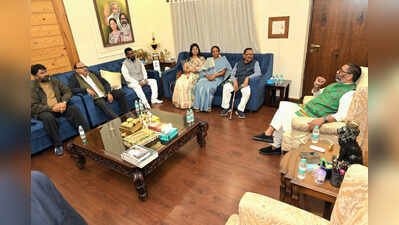
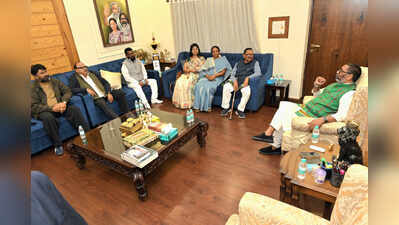
Ranchi: JMM, Jharkhand’s ruling coalition partner with the Congress and RJD, has signalled a subtle shift in its position on the proposed delimitation bill, indicating that it may support the measure if tribal rights and representation are adequately protected.Chief minister and JMM president Hemant Soren chaired a meeting of the party’s MPs on Saturday ahead of the special session of Parliament beginning Nov 30.Rajya Sabha MP Mahua Maji said the party would study the bill’s fine print and seek legal opinion to understand its possible impact on Jharkhand. “We will assess the pros and cons carefully. If the proposal strengthens Scheduled Tribe representation and safeguards tribal interests, it could influence our decision positively,” she said.Party members said they had received copies of the draft bill late Friday night and would examine its provisions in detail before taking a final stand.Another JMM Rajya Sabha MP, Baidyanath Ram, said the party’s approach would be guided by Jharkhand’s interests. “The chief minister, who is also our party president, will take the final decision after consultations,” he said.The remarks indicate that JMM is not ruling out support for the delimitation exercise, provided the bill addresses long-standing concerns over tribal political representation. The party has traditionally been cautious on the issue, given the possibility that changes in constituency boundaries could affect reserved seats and tribal influence in the state’s electoral map.Delimitation carries major significance for Jharkhand, which has a substantial tribal population. Of the state’s 81 assembly seats, 28 are reserved for STs. Any alteration in the number or boundaries of reserved constituencies could have a significant political impact.Delimitation is the process of redrawing parliamentary and assembly constituencies based on population changes.Jharkhand, formed in 2000, has long demanded that any such exercise reflect its demographic and tribal realities. The central concern has been whether tribal communities will receive fair representation and whether existing protections will be preserved or strengthened.
About The Author