










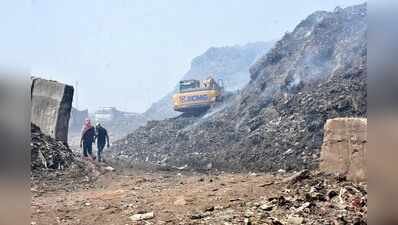
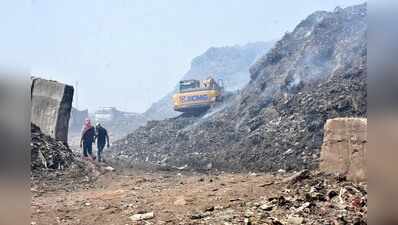
Ranchi: Over 8.6 lakh metric tonnes (MT) of Ranchi’s urban legacy waste will be removed from the dumpsite in Jhiri in a phased manner.The Ranchi Municipal Corporation (RMC) has floated a Rs 17.72-crore tender to select an agency for the disposal of garbage using biomining and bioremediation techniques across a 20.32-acre area at the site. In the first phase, 3.24 lakh MT of waste will be processed while 5.46 lakh MT will be addressed in the second phase.The tender floated targets the first phase, with the last date for proposal submission being Nov 12 and the opening of technical bids scheduled for Nov 13. The civic body has set a strict execution timeline of three months from the commencement of operations.The scope of work encompasses setting up and operating processing infrastructure, excavating compacted mixed garbage, and carrying out mechanical sieving. The agency will retrieve recyclable materials, segregate recoverable fractions, and ensure the scientific disposal of residual waste.Jhiri has been the primary dumping ground for Ranchi. In 2024, a Rs 92-crore project was executed to clear roughly 18 lakh MT of legacy waste. “Around 18 lakh MT had been cleared in the previous drive. This new tender is floated to clear the new waste accumulated in the last few years,” additional municipal commissioner Sanjay Kumar said.RMC officials said bioremediation is a low-cost mechanical-biological treatment that involves creating windrows of mixed waste and applying microbial sprays to accelerate aerobic composting. Regular mechanical turning eliminates methane production and leachate generation. Within four turnings, waste volume reduces by up to 40%, whilst methane generation potential drops by nearly 90% compared to unprocessed dumping.Following stabilisation, the processed material is screened to extract organic manure, recyclables, and high-calorific items such as textiles and timber. The remaining inert residue will be repurposed as landfill cover or filler material, while high-calorie fractions will be converted into refuse-derived fuel for co-combustion in cement kilns and industrial boilers.
About The Author