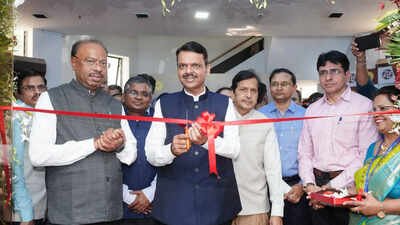









Mumbai: As artificial intelligence reshapes the workplace, the traditional entry point into employment could become increasingly narrow, with employers seeking fewer fresh graduates and placing a greater premium on critical thinking, judgement and multidisciplinary skills.Vinkesh Gulati, chairperson of the Automotive Skills Development Council, said routine jobs for humans could disappear in the foreseeable future. “Where we need a line of 100 freshers, we need three now,” he said. Those with strong logical reasoning, strategic thinking abilities and skills spanning multiple domains and sectors would increasingly be in demand, he added at the ‘Let’s make India Employable’ summit on Friday.National Skill Development Corporation (NSDC) CEO Prashant Sinha said AI would bring the “world of work and the world of academics” closer. Structural changes in employment could also alter earning patterns, with what ITI graduates earn today potentially being very different from what they take home in 2047. “The pace of learning and that of lifelong learning will alter as there will be very swift obsolescence,” he added.While degrees will remain relevant, employers will increasingly look for demonstrable capabilities, problem-solving skills and the ability to deliver outcomes, experts said. AI fluency, irrespective of one’s academic discipline, will become essential, but equally important will be the ability to question its output, exercise judgement and think creatively, said Teamlease founder and CEO Shantanu Rooj.Traditionally, organisations recruited fresh graduates for routine tasks, allowing them to acquire experience on the job. “With AI automating many of these functions, educational institutions and employers will need to rethink how young people gain workplace experience,” Rooj added.“A degree acquired at 21 may no longer guarantee employability until 60. As employment relationships become shorter and more fluid, continuous skilling will need to become integral to working life. Equally critical will be ensuring that opportunities created by technology extend beyond metropolitan cities and privileged communities, making India’s technological transformation geographically and socially inclusive,” added Rooj.
About The Author