







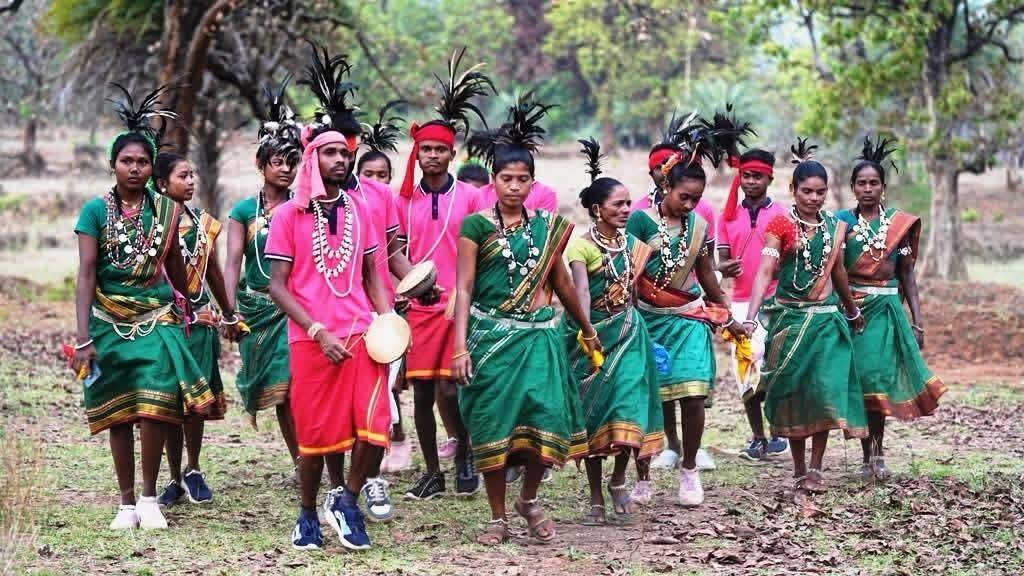
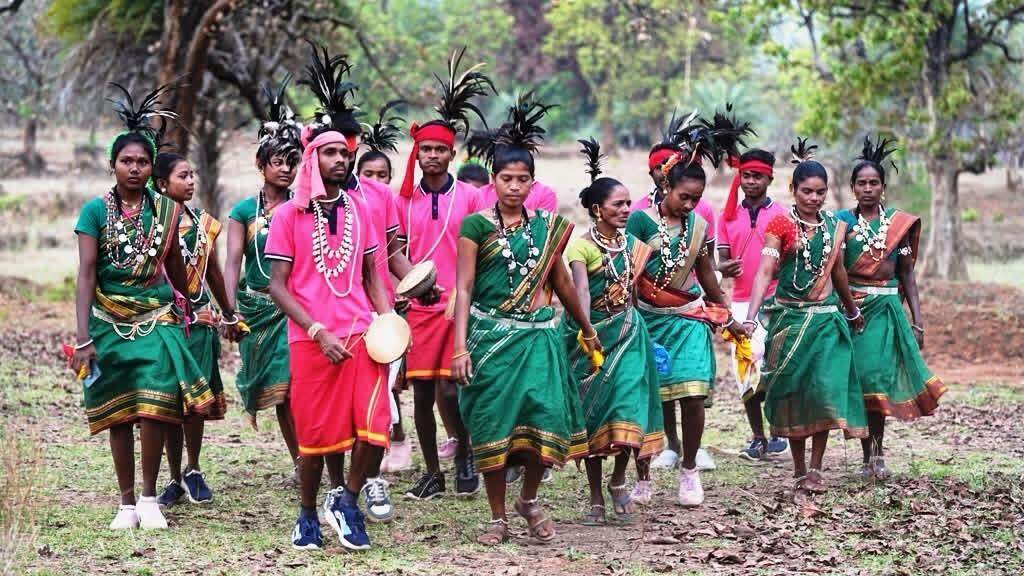
Kendrapada: Anthropological Survey of India (AnSI) under the ministry of culture has joined hands with three prestigious research institutions of the country — CSIR–Centre for Cellular and Molecular Biology (CCMB), Hyderabad; BRIC–Institute of Life Sciences (ILS), Bhubaneswar; and SRM Institute of Science and Technology, Tamil Nadu — to undertake collaborative research to screen a genetic variant (SRD5A2 p.Arg246Gln) associated with a rare genetic disorder among the Madia Gond community of Odisha.The initiative draws on findings from a preliminary study led by Padma Shri K Thangaraj of CSIR-CCMB, one of the project’s principal investigators, which reported a relatively high frequency of this genetic variant in the same population, classified by Govt of India as a Particularly Vulnerable Tribal Group. Building on this scientific evidence, the proposed study aims to investigate the variant’s distribution, understand its potential health implications, and assess the associated disease burden within the community, said B V Sharma, director of AnSI, Kolkata.The project will begin soon with the systematic identification and enumeration of the core villages inhabited by the Madia Gond community in Nilgiri Tehsil of Balasore district. An initial anthropological investigation will document the demographic, socio-cultural and population characteristics of the selected villages, thereby establishing the foundation for subsequent genetic screening. The first meeting of the principal investigators was held on Nov 11 to discuss the research framework, institutional responsibilities and future course of action, said Sharma.The genetic component of the study will involve high-throughput sequencing-based screening to identify individuals carrying the genetic variant. Genotype-positive individuals will subsequently be considered for appropriate clinical evaluation to establish genotype–phenotype associations and investigate the potential clinical manifestations and overall disease burden associated with this variant in the community. The project aims to investigate the prevalence of this rare-disease-associated genetic variant using advanced molecular techniques, alongside promoting community awareness and genetic counselling. The initiative seeks to integrate scientific research with community-oriented interventions, said Sharma.Mithun Sikdar, principal investigator from AnSI, will lead and supervise the anthropological component of the research. The genetic screening and genotyping components will be supervised by two other principal investigators, Sunil Raghav from BRIC-ILS and Deepak K Kashyap from SRM Institute of Science and Technology.The findings are expected to contribute to a better understanding of the genetic epidemiology of the condition and may provide an evidence base for developing appropriate community-oriented screening, counselling and healthcare strategies, said Sharma.According to Piyusa Ranjan Sahoo, superintending anthropologist and head at AnSI, sub-regional centre, Chhattisgarh, the Madia Gond is a sub-group of the Gond tribe and belongs to the Koitur group. Most of the Madia Gond live in the southern part of Bastar, Chhattisgarh. They are, however, one of the smallest Scheduled Tribes of Odisha, with 2,243 people counted in 2011, living primarily in Balasore and parts of Mayurbhanj and Jharsuguda. They speak Gondi (along with dialects like Maria and Muria), which belongs to the central branch of the Dravidian language family. Their traditional religion is deeply animistic, centred around nature. Madia Gonds traditionally bury their dead, after which they erect carved and painted memorial pillars at the head of the grave. Their livelihoods centre on animal husbandry, forest collection and hunting, supplemented by agricultural labour and basketry.
About The Author