









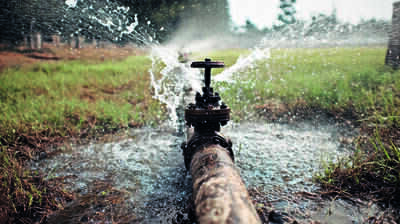
T’puram: The Kerala Water Authority’s (KWA) proposed Rs 200-crore water treatment plant at Aruvikkara has remained stalled due to a lack of funds, raising concerns over the city’s ability to meet its growing drinking water demand as population and economic activity continue to expand. The proposal was made in July.The proposed 100 million litres per day (MLD) plant is intended to augment the city’s water treatment capacity. However, the project is yet to receive administrative sanction as KWA has not secured the funds required to move forward, a senior official associated with the proposal said.“A major portion of our available funds, which is around 80%, goes towards meeting employee salary expenses, leaving limited resources for capital-intensive infrastructure projects,” the official added.According to the source, the authority is exploring external funding options, including assistance from the Asian Development Bank (ADB). However, a formal proposal is yet to be submitted to the bank, and no funding has been confirmed so far.KWA has also approached Nemom MLA Rajeev Chandrasekhar, seeking assistance in mobilising funds from the Union govt, the source said.Thiruvananthapuram’s daily water requirement has crossed 400 MLD, while rapid urbanisation, expanding residential townships and growing economic activity have increased demand, particularly in Kazhakkoottam and the Vizhinjam region.The existing supply network is also under pressure from ageing transmission and distribution pipelines, some of which are more than five decades old. Leakages in these pipelines result in substantial water losses before supplies reach consumers, further affecting the efficiency of the system.The proposed Aruvikkara plant is expected to strengthen treatment capacity and help KWA cater to the city’s rising demand. Officials have also highlighted the need to modernise the distribution network to reduce leakages and improve the reliability of supply.The funding delay could have wider implications for consumers, particularly during peak summer, when several parts of the city face drinking water shortages. Without additional treatment capacity and improvements to the existing network, meeting the needs of a rapidly expanding urban region is likely to remain a challenge.With funding arrangements yet to be finalised, the timeline for obtaining administrative sanction and implementing the project remains uncertain.
About The Author